
NEWS UPDATES
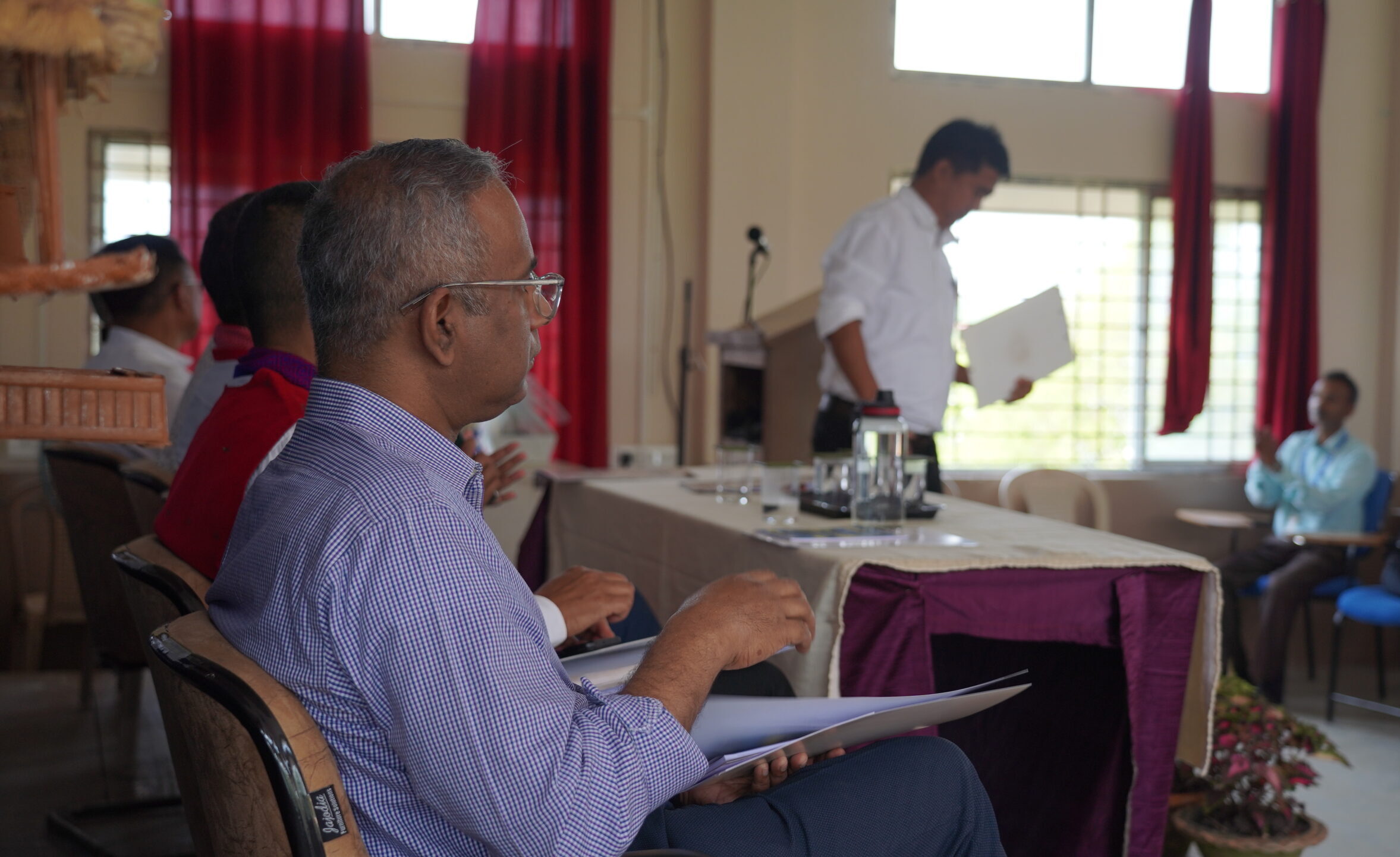
On August 2 and 3, 2026, Dr Vijay D’Souza, Director, NEILAC, was invited as a speaker and resource person at a colloquium in Imphal focusing on the development of the minority languages of Manipur. The colloquium brought together representatives of communities speaking 12 minority languages, providing a space for dialogue on the challenges, needs, and possibilities involved in developing and strengthening these languages. Discussions explored the importance of documenting minority languages, developing appropriate educational resources, and creating opportunities for their continued use and transmission within their communities. Vijay contributed to discussions on language development and the wider needs of minority-language communities, drawing on NEILAC’s experience in language documentation, educational resource development, and community-centred approaches. The dialogue highlighted the importance of collaborative efforts in sustaining the linguistic diversity of Manipur.
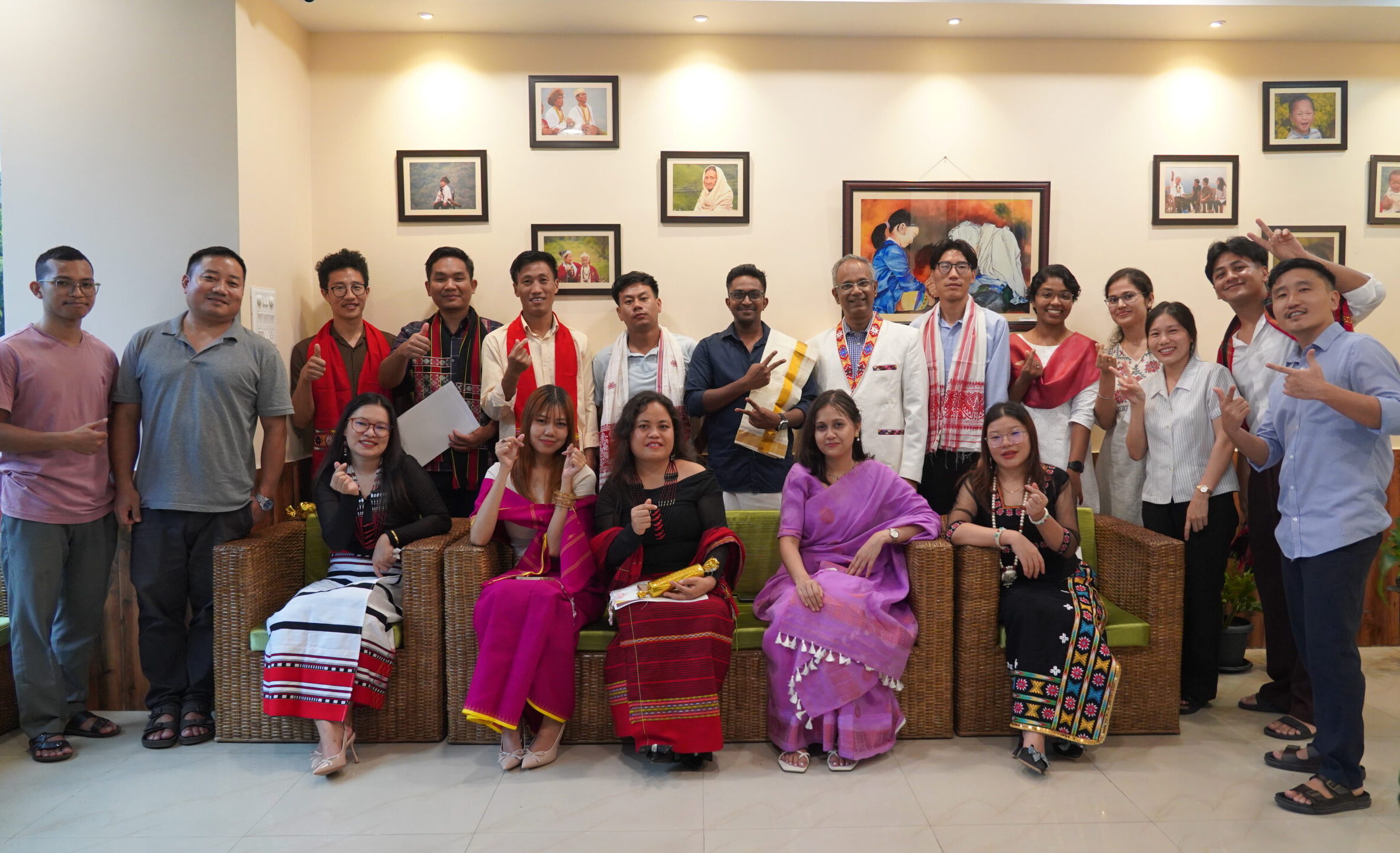
From July 9 to 29, 2026, NEILAC conducted APTIL 3, its 21-day intensive residential Certificate Course in Articulatory Phonetics, Tones and Immersive Language-learning. The programme brought together 11 participants from different backgrounds, including Jesuit Scholastics, Ph.D. scholars, and young professionals. The course combined rigorous training in articulatory phonetics and tone analysis with immersive and community-centred approaches to language learning and revitalisation. Facilitated by Team NEILAC, the programme drew on materials from the living languages of North-East India and provided participants with both theoretical and practical exposure to phonetic analysis and language-learning methodologies. APTIL is NEILAC’s flagship certificate programme, focused on building capacity in phonetics, immersive and participatory methodologies, and language revitalisation. The programme concluded with a debriefing session to reflect on its implementation and identify areas for future improvement.
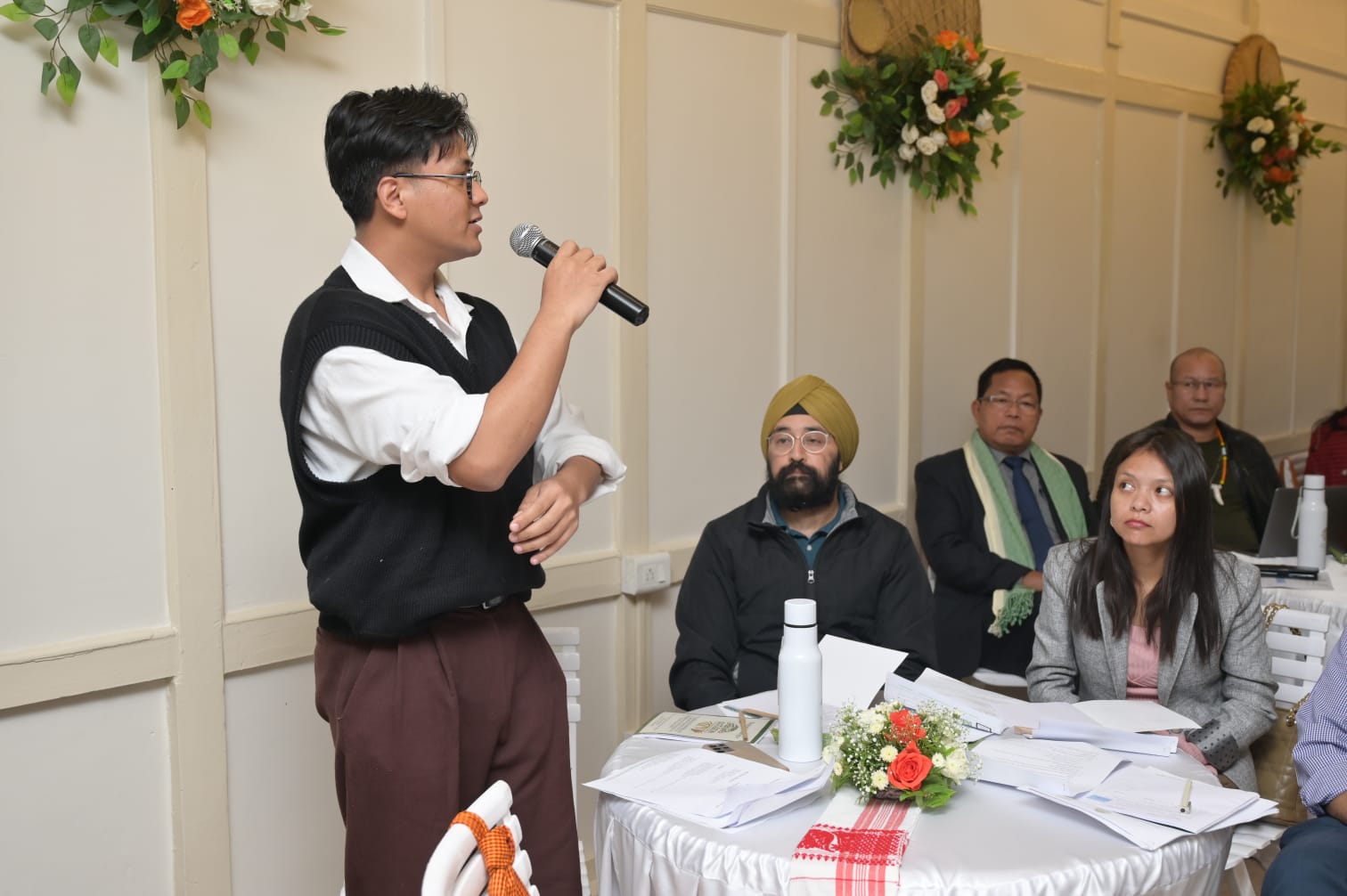
From May 27 to 29, 2026, Team NEILAC attended the regional dialogue on “Traditional Knowledge and Cultural Protection of the Indigenous Communities of North-East India,” organised by Grassroot. The dialogue brought together perspectives on indigenous knowledge, cultural heritage, and the protection of community-owned knowledge systems. The participation reflected continuing engagement with wider regional conversations concerning the documentation, preservation, and responsible use of indigenous knowledge. The discussions offered useful insights into incorporating community perspectives into the development of culturally relevant language textbooks and learning materials. It also provided an opportunity to reflect on the challenges of developing culturally relevant materials while strengthening cross-learning with regional networks working towards the preservation and educational transmission of indigenous cultural heritage in North-East India.
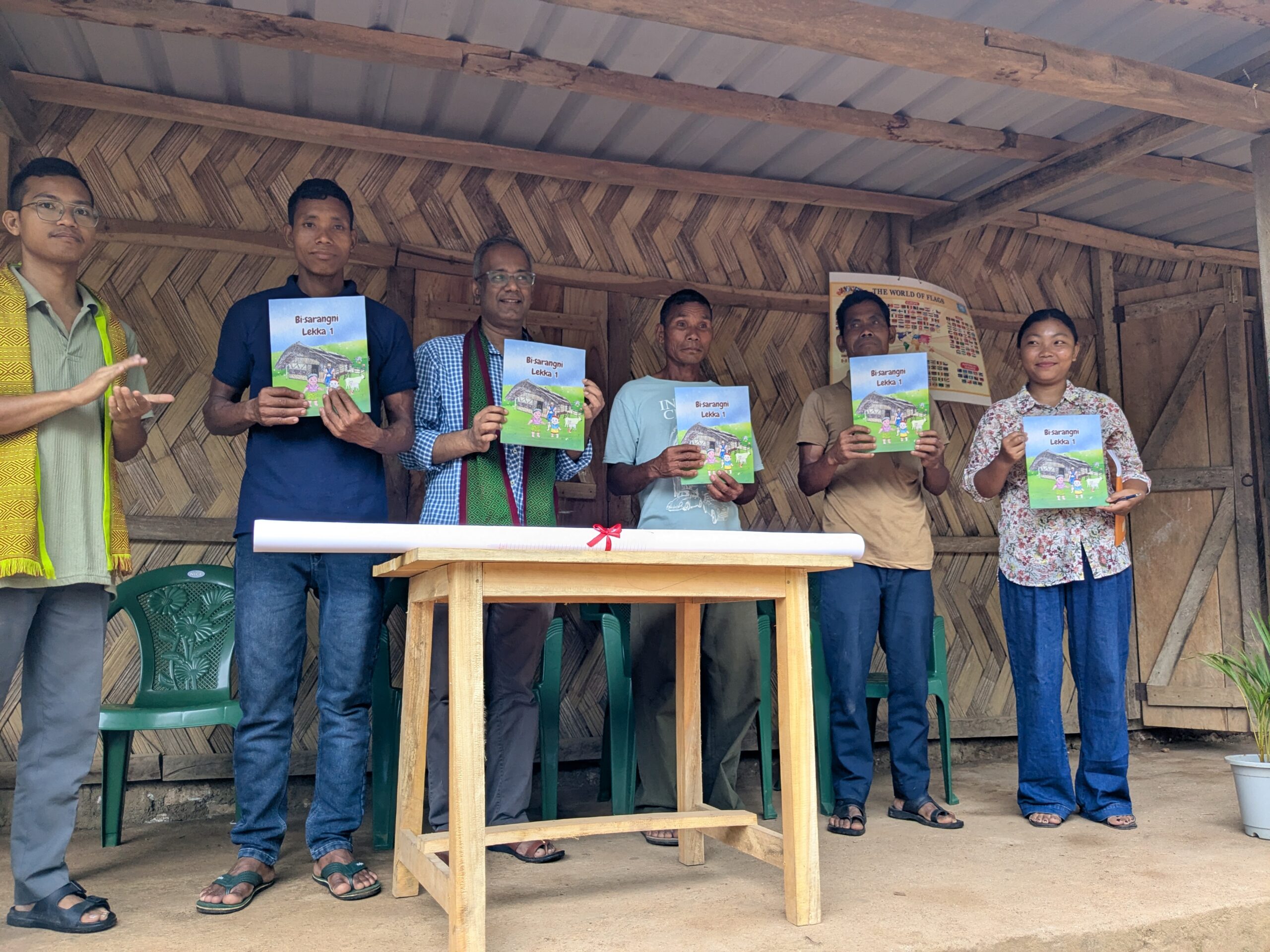
From May 21 to 25, 2026, Team NEILAC travelled to Chiringgro for fieldwork and teacher-training activities under NEILAC’s bilingual education project. A major milestone during the visit was the community-level release of the Garo textbook in the presence of community leaders, teachers, and children. The release marked an important stage in NEILAC’s continuing work to develop culturally and linguistically appropriate learning materials in collaboration with the community. The textbook development process brings together language, education, and community participation, seeking to ensure that learning resources respond to the linguistic and cultural context of the children who will use them. Alongside the textbook release, the field visit included teacher-training activities, strengthening the connection between material development and classroom implementation. The initiative is another step towards community-owned bilingual education and greater use of indigenous languages in schools.
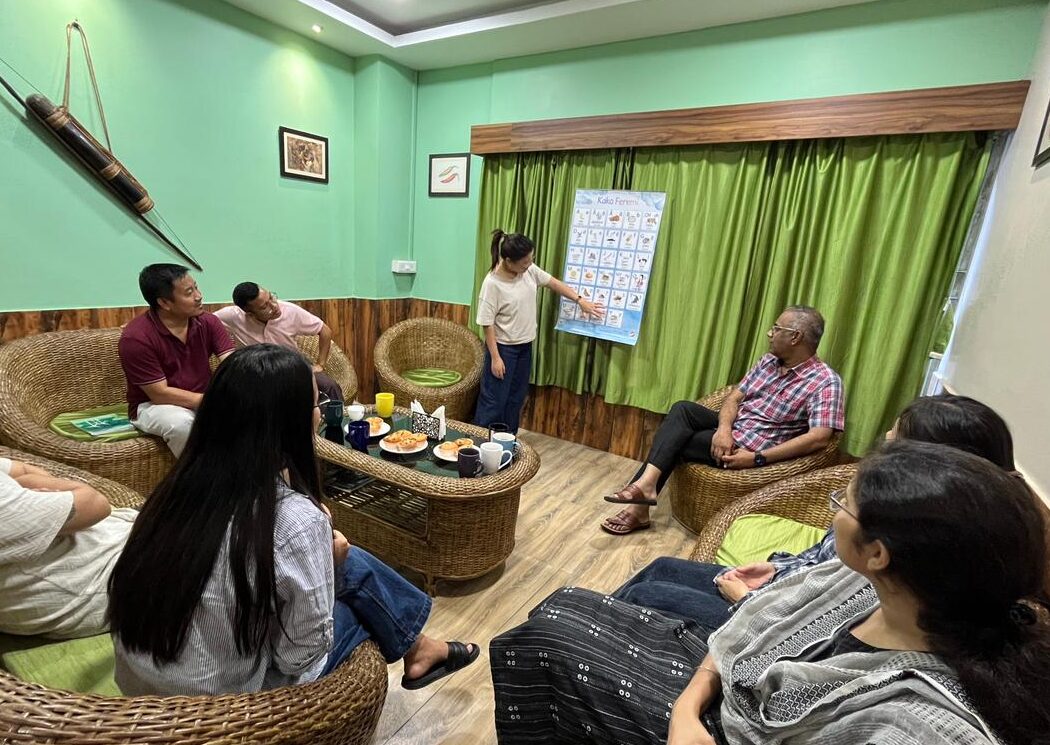
On May 5, 2026, NEILAC released an Alphabet Chart for the Aka language of Bichom District, Arunachal Pradesh, marking an important step in its efforts to respond to the growing loss of the language among younger generations. With more than 80% language loss and limited intergenerational transmission, the Aka community faces significant challenges in maintaining the everyday use of its language. The alphabet chart was developed as a practical intervention to support language learning and literacy, particularly among children and young learners. It complements NEILAC’s ongoing work with the community, including the development of textbooks and children’s audiovisual materials. By providing an accessible entry point to learning the language in written form, the chart seeks to strengthen opportunities for younger generations to engage with Aka and contribute to its continued use and transmission.
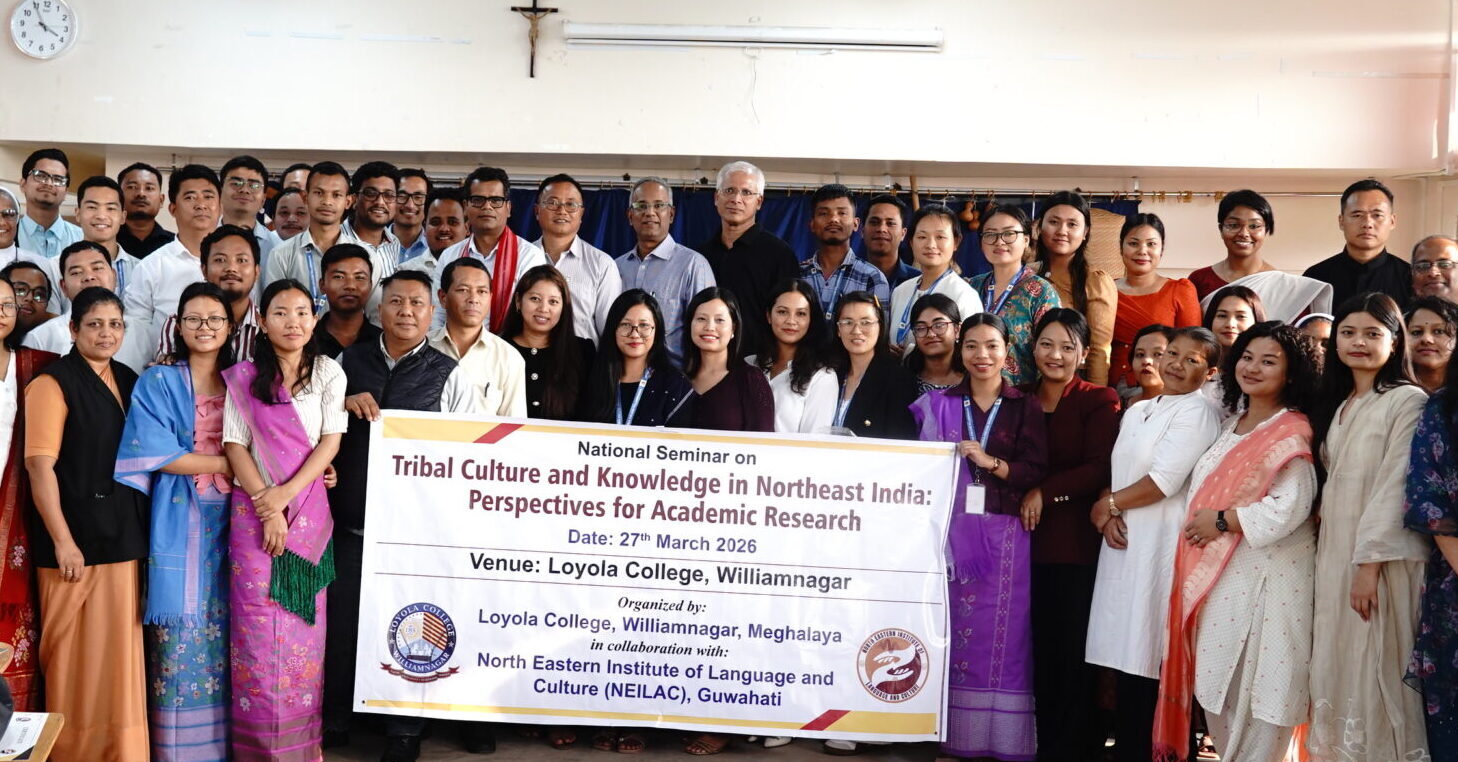
On March 27, 2026, Loyola College, Williamnagar, Meghalaya, in collaboration with NEILAC, organized a conference on Indigenous Knowledge, bringing together academic and field-based perspectives on indigenous education and knowledge systems. NEILAC contributed through presentations focusing on culturally rooted education and foundational learning in tribal contexts. Gisel and Vijay jointly presented a paper titled “Culturally Rooted Dual Language Education in North East India: Community-Based Textbook Development in Indigenous Languages.” Gisel and Joshua also jointly presented “Assessing Foundational Literacy and Numeracy in Tribal Contexts: A Case Study of EGRA and EGMA Implementation at Ku.monggrikani St. Joseph’s School, Chiringgro.” The presentations brought NEILAC’s ongoing research and field-based work into broader discussions on indigenous knowledge, connecting language, community-based education, bilingual learning, and foundational literacy and numeracy.
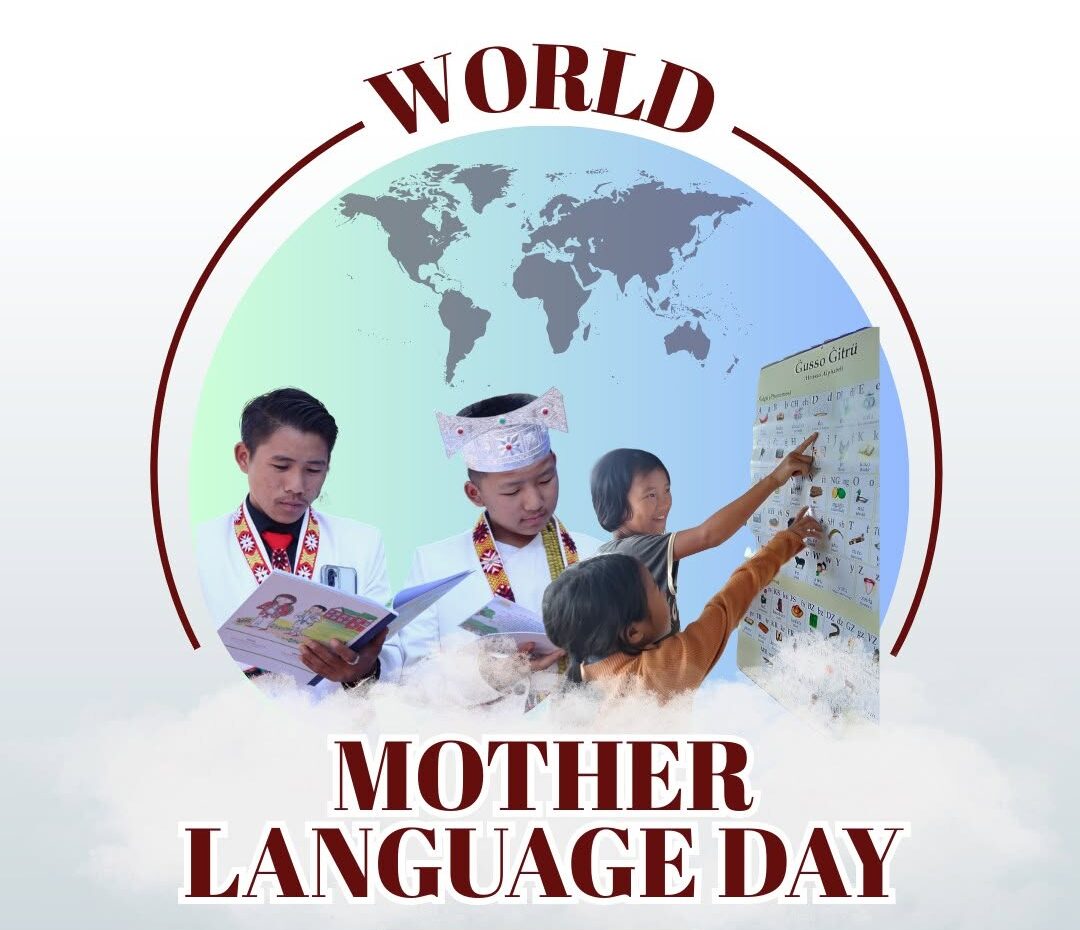
On February 21, 2026, NEILAC observed World Mother Language Day, reaffirming its commitment to the recognition, documentation, preservation, and revitalisation of the diverse languages of North-East India. The observance came at a significant moment in NEILAC’s ongoing language work, including its engagement with community-based documentation, educational materials, and language revitalisation initiatives. In the days leading up to the observance, an article by Vijay, titled “On Punishing School Children for Speaking Their Mother Tongue,” was published in The Morung Express on the occasion of World Mother Language Day. The article drew attention to the importance of respecting children’s mother tongues in educational contexts. For NEILAC, the day provided an opportunity to reaffirm the importance of linguistic diversity and to highlight the need for educational and documentation practices that value the languages spoken by communities across North-East India.
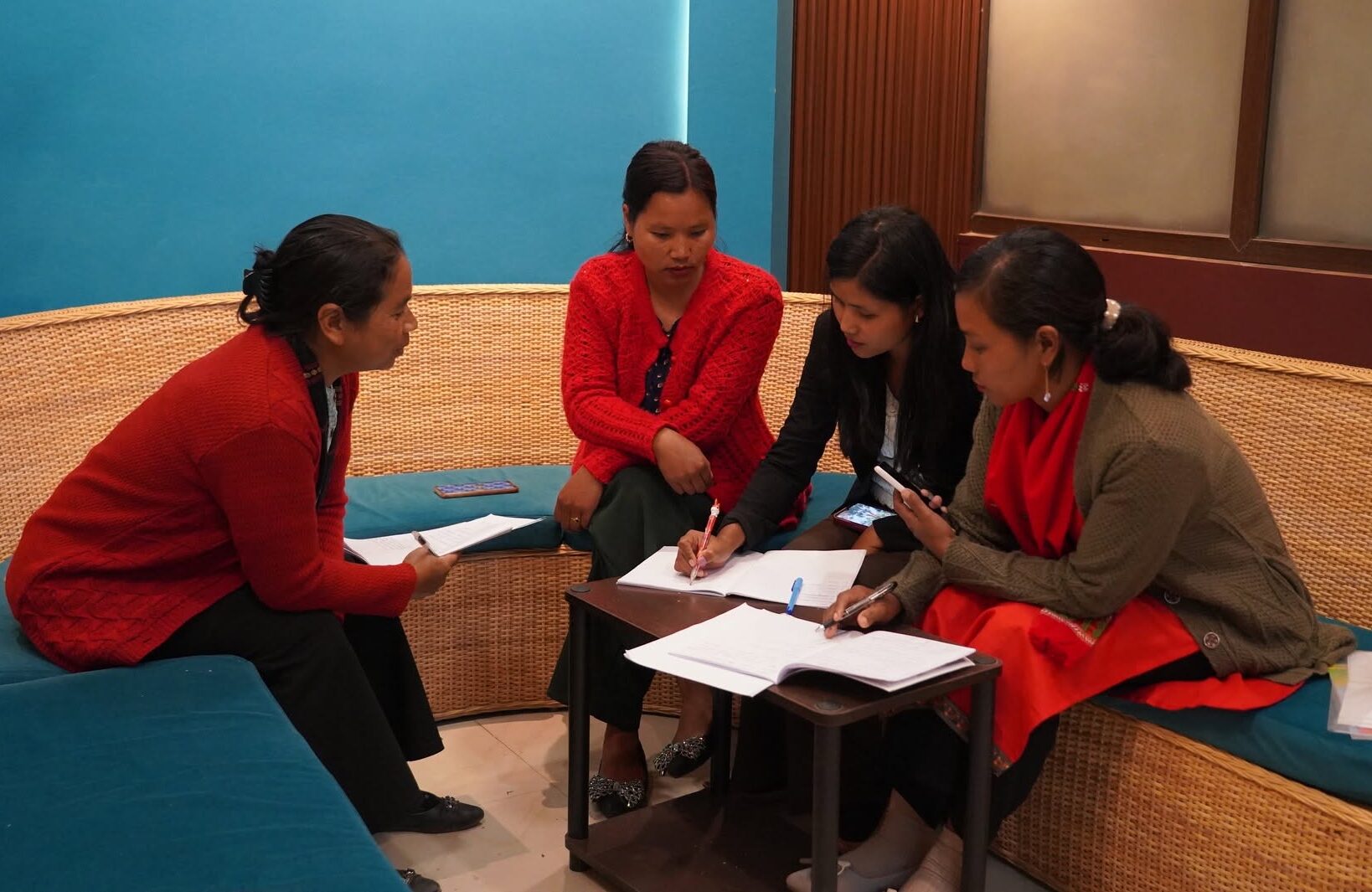
From January 27 to 29, 2026, NEILAC conducted a workshop on mother-tongue-based teaching in early childhood and primary education. The workshop explored the importance of using children’s mother tongues as a foundation for learning during the early years of education and considered approaches for integrating them into classroom practice. Particular attention was given to bilingual and culturally responsive approaches that take children’s linguistic and cultural backgrounds into account. TThe workshop also focused on TLM (Teaching-Learning Materials) development, lesson planning, classroom management, and creating fun-filled rhymes and activities for children along with other practical aspects of teaching. The workshop connected educational methodology with the practical needs of teachers and learners, supporting approaches that can make early learning more accessible and meaningful for children.
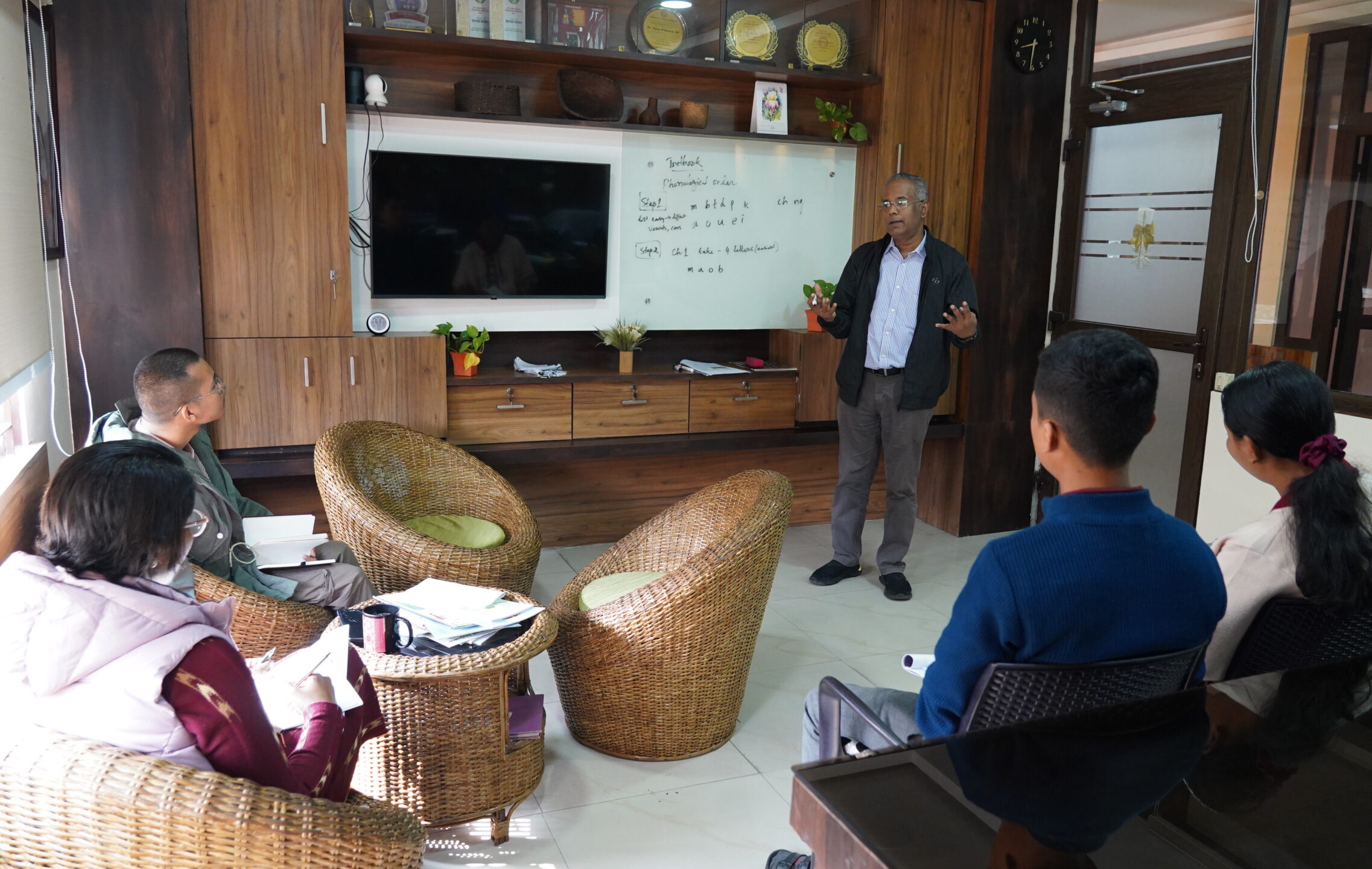
In January 2026, NEILAC conducted intensive textbook development workshops for Garo and Sajolang, strengthening its wider effort to support culturally and linguistically responsive education rooted in indigenous languages and community contexts. From January 18 to 31, the Institute conducted a Garo textbook development workshop focused on preparing language-learning materials in Garo. Simultaneously, a Sajolang textbook development workshop was organized from January 21 to 25, during which representatives of the Sajolang Textbook Committee took back a completed primer for further community-level use and implementation. The workshops brought together language knowledge, educational planning, and community participation in developing learning resources, while exploring practical models of bilingual and culturally responsive education for indigenous-language communities in North-East India.