
NEWS UPDATES
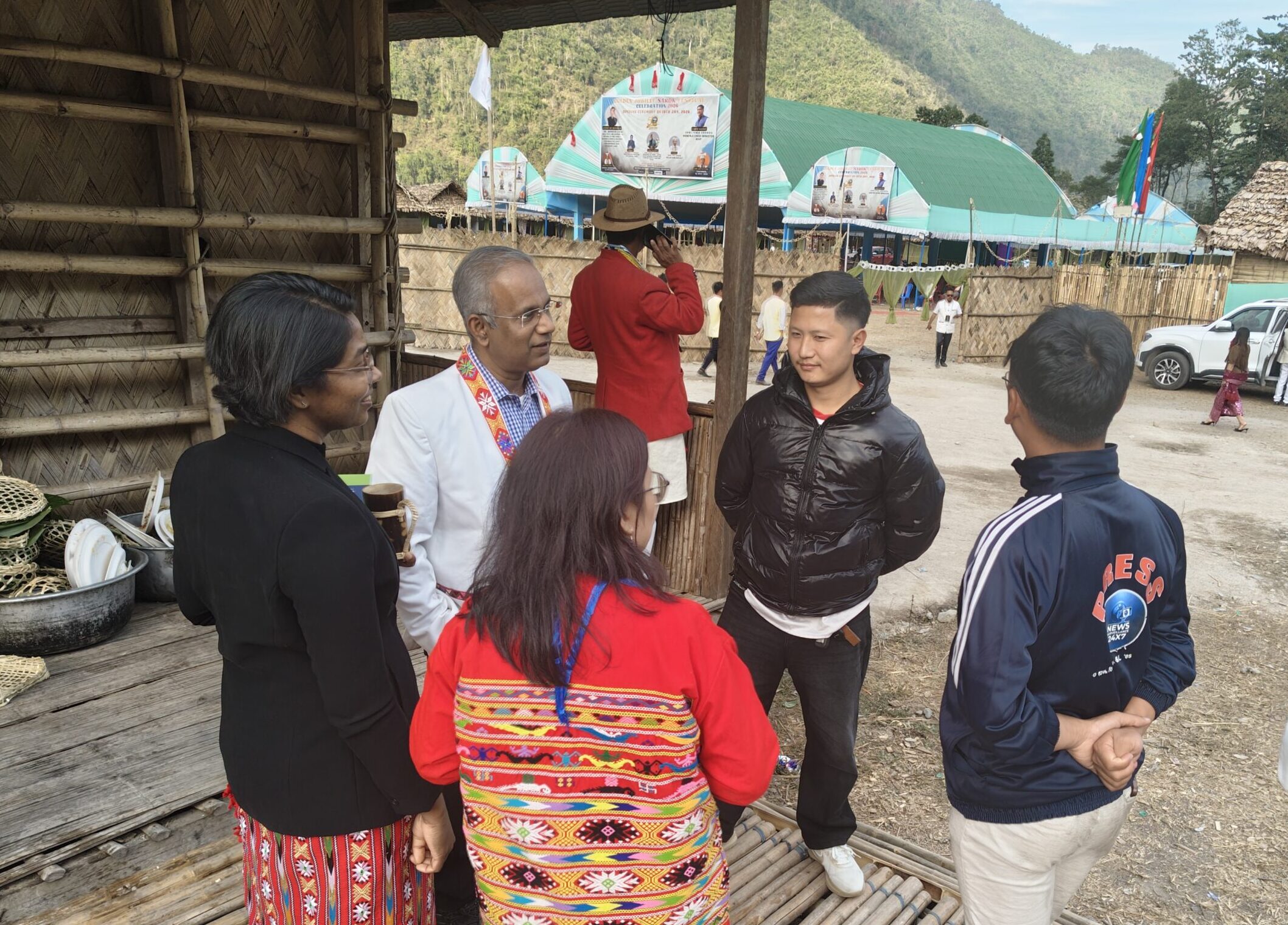
From January 9 to 16, 2026, a NEILAC team travelled to Bana, Arunachal Pradesh, to undertake fieldwork and documentation during the Golden Jubilee celebrations of the Sarok Festival. Staying in Bana, the team combined language documentation and field research with participation in the festival and direct engagement with the Aka community of Bichom District. The team documented traditional rituals, festival events, language use, and other cultural practices, providing an opportunity to engage with the Aka community within an important cultural celebration. A key outcome of the visit was the release of the first-ever written textbook, Ungamegü Kako, and Baroli, a children’s cartoon song, as resources for language learning and creative engagement among Aka children. The field visit thus brought together documentation, community participation, education, and creative resources in support of the Aka language and culture.
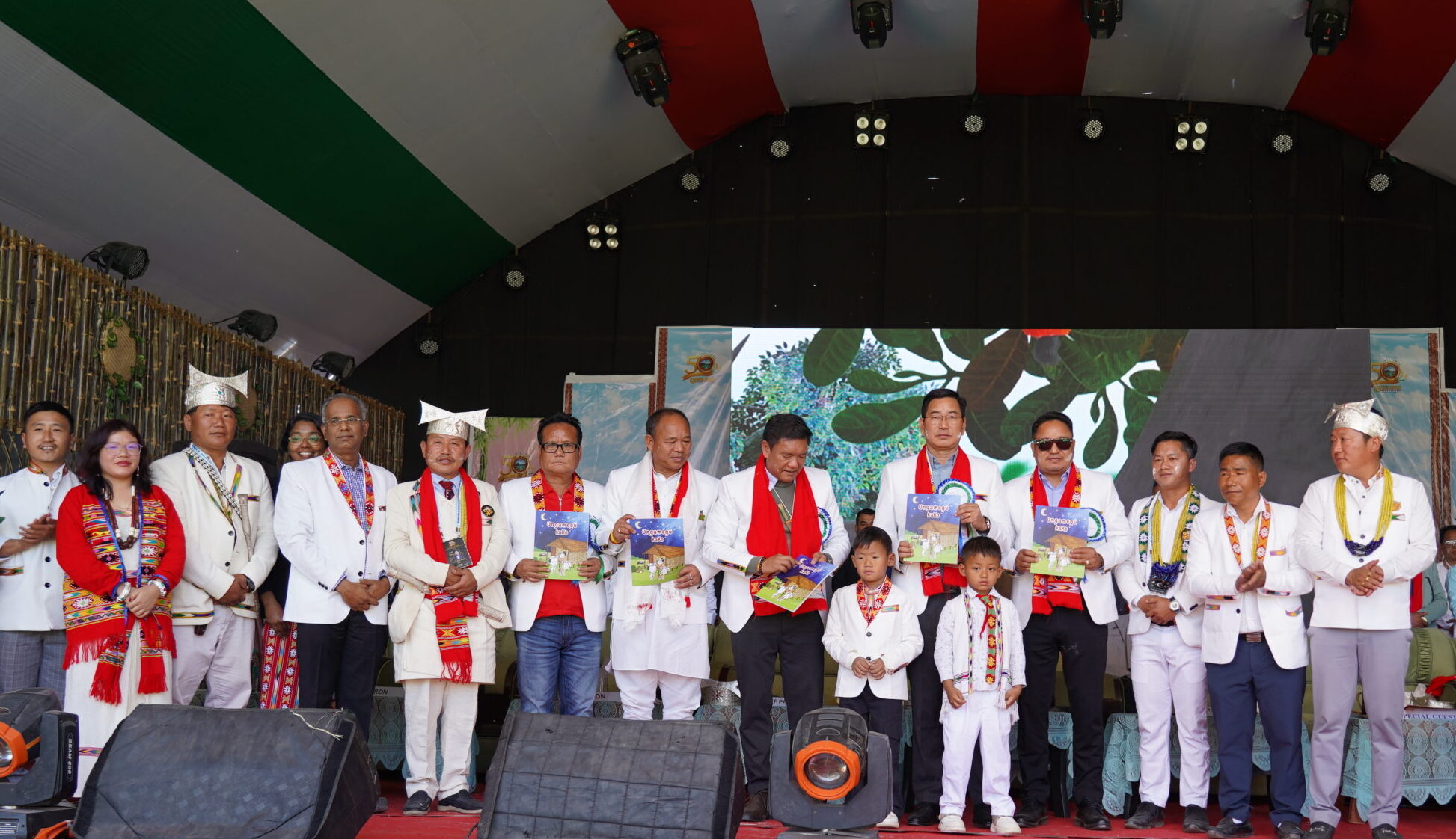
On January 10, 2026, NEILAC released the Aka (Koro) textbook and Baroli, a language adaptation of the popular Malayalam children’s cartoon Kathu title song, during the Golden Jubilee celebrations of the Sarok Festival in Bana, Arunachal Pradesh. Released as a special gift for the community, the two resources mark an important milestone in NEILAC’s efforts to strengthen language learning and create joyful spaces for children to encounter their mother tongue. The textbook provides a foundation for children’s language learning, while Baroli brings their home language into the world of music, animation, and storytelling. Created with children in mind, the song seeks to make the language visible, enjoyable, and meaningful in everyday childhood experiences. The textbook and song represent practical resources for strengthening the presence of home language in educational and cultural spaces and reflect NEILAC’s commitment to community-oriented language revitalisation.
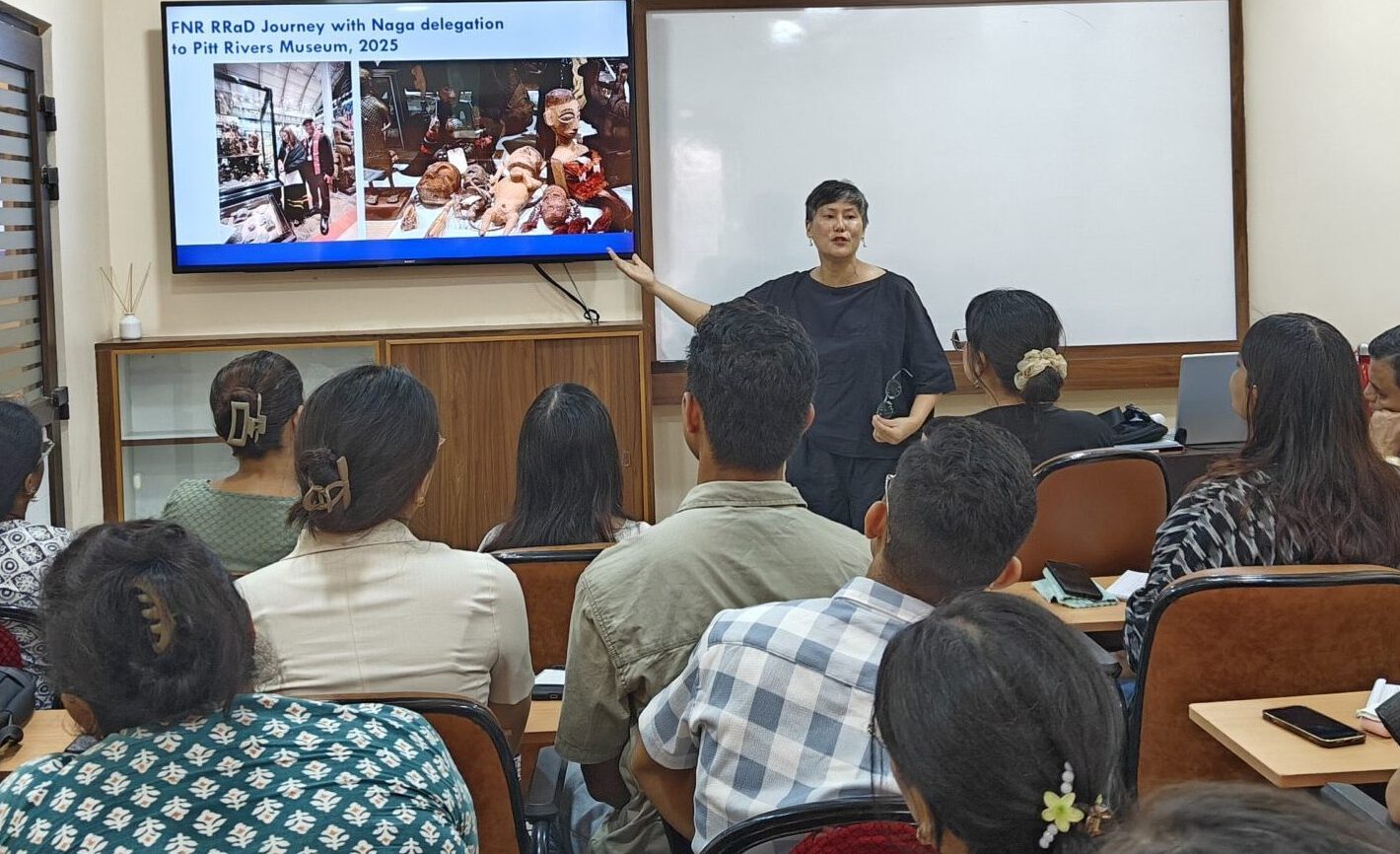
On August 29, 2025, NEILAC hosted a public lecture by Prof. Dolly Kikon, Naga anthropologist and member of Recover, Restore, and Decolonise (RRaD). The lecture explored the significant journey of returning Naga ancestral remains from the collections of the Pitt Rivers Museum to their communities. The discussion opened important questions around indigenous heritage, community ownership, colonial collections, and the ethical responsibilities involved in the return and care of ancestral remains. The event provided an opportunity for the NEILAC community and participants to engage with broader questions concerning the relationship between indigenous communities, museums, cultural heritage, and processes of restitution. The lecture formed part of NEILAC’s continuing effort to create spaces for dialogue on language, culture, identity, indigenous knowledge, and the rights of communities to their cultural heritage.
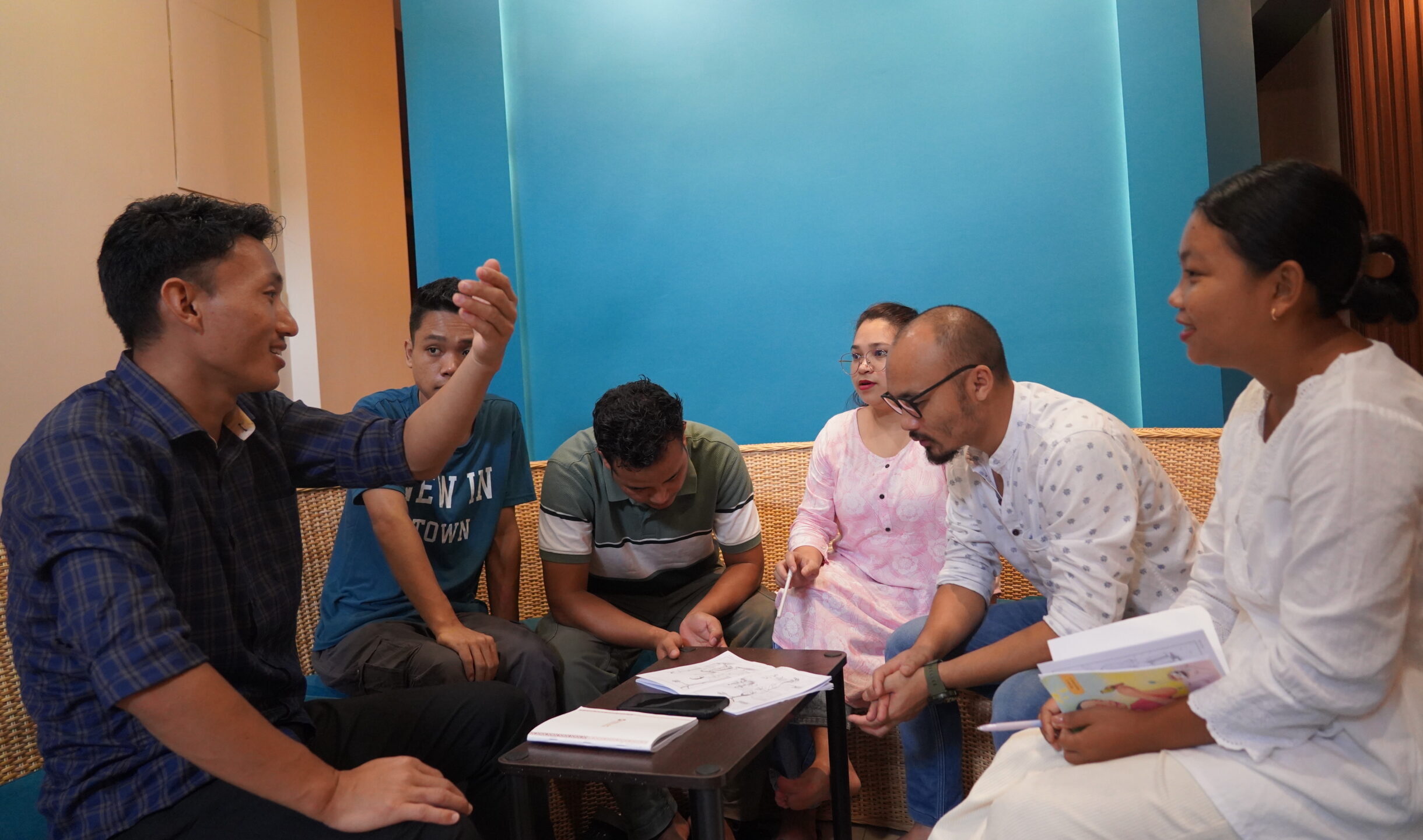
From July 7 to 26, 2025, NEILAC conducted its 21-day Certificate Course in Immersive Language Learning, Articulatory Phonetics, and Tones, bringing together 11 participants from diverse academic and professional backgrounds. The programme included Jesuit Language Learning Interns, NEILAC staff, a school headmistress, and Ph.D. scholars. Alongside the core modules on articulatory phonetics, tones, and immersive language-learning methodology, this year’s course introduced Participatory Learning and Action Continuum (PLAC), an emerging framework being developed by NEILAC. The course combined theoretical learning with practical and community-oriented approaches to language learning and documentation. Through intensive sessions and collaborative engagement, participants explored ways of understanding and working with the living languages of North-East India.
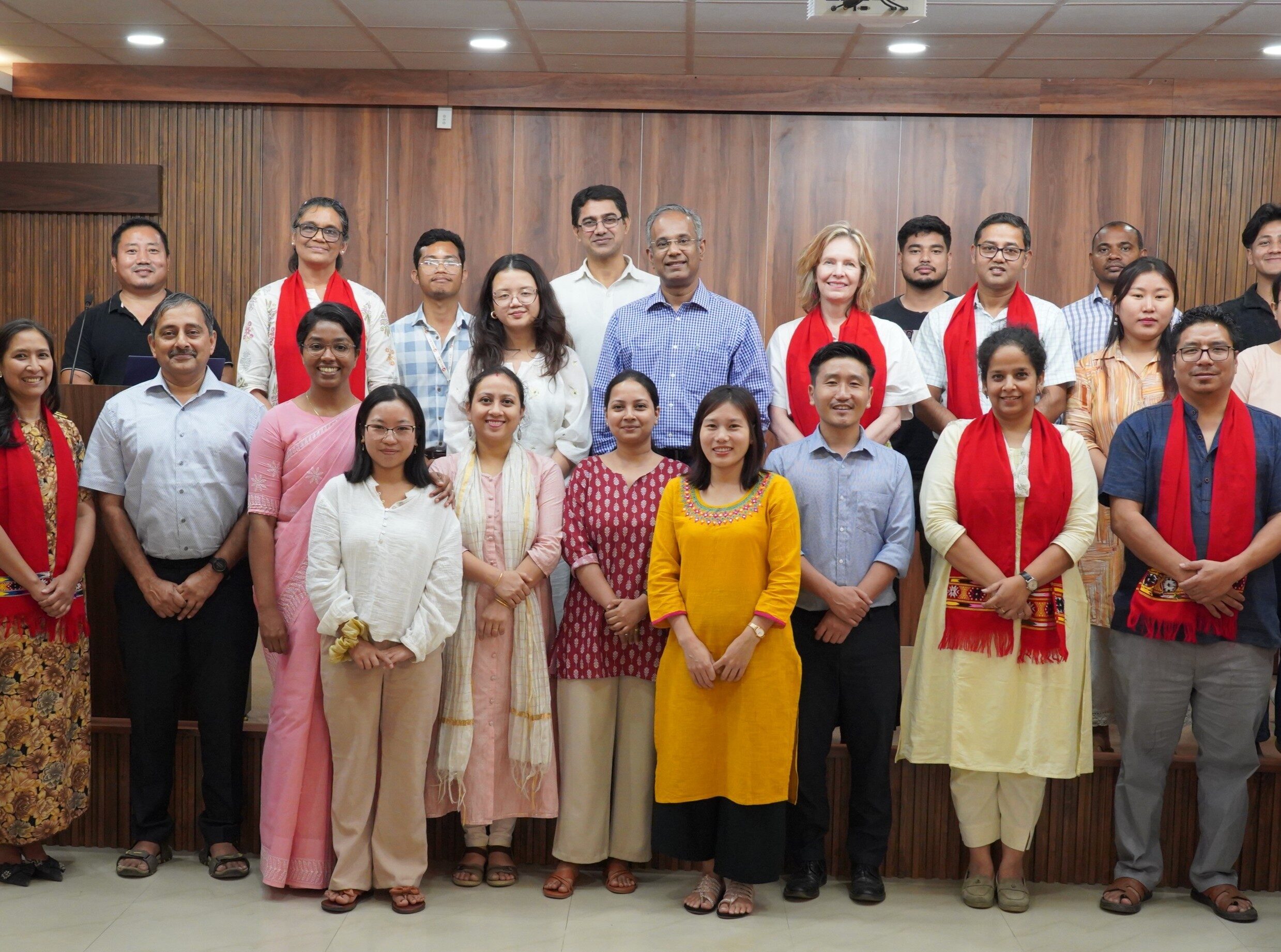
NEILAC hosted Prof. Christina Wasson from the University of North Texas for a public lecture on Participatory Design in Linguistic and Cultural Documentation. Prof. Wasson highlighted how Design Anthropology and participatory approaches can empower community-led language documentation and archiving. The event was followed by a colloquium, “From Data to Living Narratives: Community-Centered Aesthetics in Language Documentation and Archiving”, chaired by Dr. Palash Nath. Discussants included Dr. Vijay D’Souza SJ, Dr. Cherry Kharshiing, Dr. Joseph Riamei, Ajay Sagro, and Gisel Chacko Erumachadathu. The session explored themes of community-centered archives, language politics, and sustainable documentation practices.

From March 4 to 22, 2024, NEILAC conducted fieldwork at Chiringgro as part of the Baseline Survey for Mission CRADLE. This comprehensive survey included key assessments such as the EGRA (Early Grade Reading Assessment) and EGMA (Early Grade Mathematics Assessment) for Class 1 students, aimed at evaluating foundational literacy and numeracy skills. The team also engaged in Participatory Rural Appraisal (PRA) to better understand the community’s needs and educational challenges. In addition, teachers participated in targeted training sessions designed to enhance their skills in culturally relevant, bilingual teaching methods. The fieldwork further incorporated language documentation efforts to preserve and promote the region’s indigenous languages, laying a solid foundation for the long-term success of Mission CRADLE.

On March 1, 2025, NEILAC hosted P. Sainath, renowned journalist and founder of the People’s Archive of Rural India (PARI). This interaction was a meeting of shared passions—walking with indigenous/rural communities in preserving their unique worldviews. Discussions explored the challenges faced by these communities and the crucial role of their mother tongues and indigenous practices in strengthening their voices. Sainath shared insights from his extensive work with marginalized populations, emphasizing the importance of grassroots journalism in amplifying their stories. The interaction also highlighted the vital connection between media, cultural identity, and language preservation, inspiring Team NEILAC to think critically about the impact of journalism on rural communities and the broader mission of cultural safeguarding.

From February 2 to 6, 2025, NEILAC held its Staff Annual Retreat and Appraisal, a focused event to reflect on the year’s progress and set future goals. The retreat featured sessions on team building, professional development, and aligning individual goals with NEILAC’s mission. Staff members participated in workshops and discussions, reflecting on their roles in promoting linguistic preservation and cultural heritage. The event also included a comprehensive appraisal process, reviewing achievements and outlining strategies to enhance future projects. This retreat provided a vital opportunity to strengthen team cohesion and ensure NEILAC’s staff remains motivated, engaged, and aligned with the organization’s vision for the upcoming year. It reaffirmed NEILAC’s commitment to fostering a collaborative and dynamic work environment.

NEILAC launched Mission CRADLE, an innovative initiative focused on a Culturally Rooted Approach to Dual Language Education. By integrating indigenous languages with English, CRADLE aims to develop a balanced educational model that promotes academic development and cultural pride. When children learn in their mother tongue, they connect to their roots, stories, and sense of self, fostering creativity, critical thinking, and emotional well-being. This strong foundation supports lifelong cognitive growth and resilience, shaping confident individuals. The initiative develops bilingual curricula, textbooks, and teaching methods that reflect local traditions and knowledge systems. With a community-driven approach, Mission CRADLE aims to preserve endangered languages while ensuring children thrive in both local and global educational contexts.