
NEWS UPDATES

In the first week of January 2025, the North Eastern Institute of Language and Culture (NEILAC) conducted its Annual Planning and Staff Training session, focusing on culturally rooted approaches for the year ahead. The program featured workshops aimed at enhancing team collaboration, effective communication, and integrating culturally relevant methodologies into NEILAC’s initiatives. Staff members participated in activities designed to strengthen their skills and align their efforts with NEILAC’s mission of preserving and revitalizing the linguistic heritage of Northeast India. The training emphasized the importance of incorporating local cultural perspectives into language research and action, ensuring that NEILAC’s work remains deeply connected to the communities it serves and their unique cultural contexts.

In December 2024, NEILAC hosted a workshop titled ‘Creative Use of Chatbots: Building Projects with AI,’ led by Professor Ken Kahn. The event aimed to introduce young learners to the world of AI, focusing on chatbot development and its real-world applications. Participants engaged in hands-on sessions covering machine learning, robotics, and the ethical implications of AI. Prof. Kahn, an expert in the field, guided the children through interactive activities and practical exercises designed to make AI concepts accessible and enjoyable. The workshop encouraged critical thinking and creativity, allowing children to explore AI in an engaging way. By the end, they had developed their own chatbot projects and gained a foundational understanding of AI. The workshop successfully sparked curiosity, empowering the next generation of AI enthusiasts.
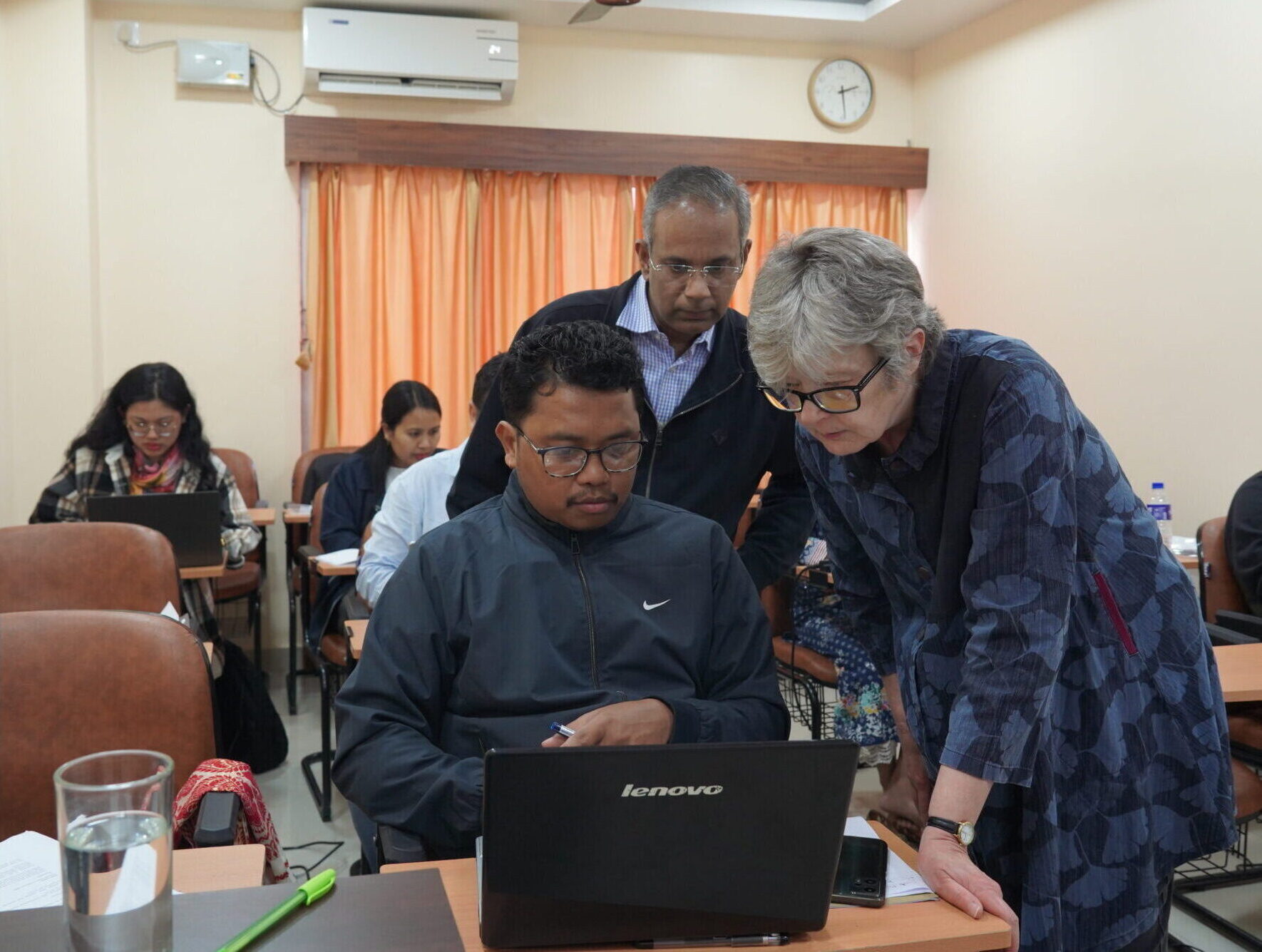
From 11-17 December 2024, NEILAC organized a 7-day Mentorship Programme on Language Description and Grammar Writing for scholars from Northeast India. Led by renowned linguist Professor Emerita Mary Dalrymple from the University of Oxford and Dr. Vijay D’Souza, NEILAC’s Director, the mentorship program provided personalized guidance through both one-on-one and group sessions. The focus was on morphosyntax, semantics, and linguistic data analysis, with participants receiving hands-on training in data collection, annotation, and the use of linguistic analysis tools such as FLEx and ELAN. Tailored for scholars working with linguistic communities in Northeast India, the program aimed to equip them with essential skills for language documentation, grammar development, and the preservation of endangered languages.

On November 13, 2024, the Laudato Si’ Research Institute at Campion Hall, University of Oxford, hosted a public lecture by Fr. Vijay D’Souza SJ on indigenous approaches to nature and their relevance in addressing the planetary crisis. Vijay explored how indigenous perspectives, particularly from Northeast India, offer valuable insights into human-nature relationships and environmental sustainability. Drawing from indigenous traditions, oral histories, and ecological practices, he emphasized the deep spiritual and cultural connections that many indigenous communities maintain with their natural surroundings. He illustrated how these worldviews – rooted in reciprocity, stewardship, and harmony with the environment – challenge extractive development models and reshape ecological thinking, driving sustainable policies.

In October 2024, NEILAC conducted a Language Vitality Survey among the Garo and Maram-speaking communities of Meghalaya. The Garo survey was carried out in Chiringgro village, East Garo Hills District, while the Maram survey took place in Umoid, South West Khasi Hills. The survey aimed to assess the current status of these indigenous languages, focusing on factors such as language usage, intergenerational transmission, and community attitudes toward language preservation. Data collected through interviews and fieldwork provided valuable insights into the challenges and opportunities these communities face in maintaining their linguistic heritage. The survey findings will inform future language revitalization efforts and help NEILAC develop targeted strategies to support the preservation and promotion of Garo and Maram languages.

On September 30 – October 1, 2024, NEILAC hosted its inaugural International Conference on Language, Culture, and Ecology. The event focused on the critical relationship between linguistic diversity and environmental sustainability, emphasizing the role of indigenous languages in preserving ecological knowledge. Through dynamic discussions and workshops, participants explored strategies to combat language endangerment while promoting ecological preservation. The conference underscored the importance of safeguarding endangered languages as key components of both cultural and environmental heritage, offering innovative approaches to support language revitalization efforts. This gathering highlighted the need for cross-disciplinary collaboration to ensure the survival of indigenous languages and their associated ecological wisdom.

On 27 July 2024, NEILAC concluded its course on “Immersive Language Learning and Articulatory Phonetics,” offering participants an in-depth exploration of linguistics with a special focus on Northeast India’s diverse languages. The course, held over twenty days, covered essential topics such as articulatory phonetics, tone, language learning methodologies, and basic morphology. Additionally, it addressed the critical issue of endangered languages and linguistic justice. Participants benefited from practical exercises, immersive learning experiences, and discussions, equipping them with the skills needed to contribute to language preservation and revitalization. The program underscored the cultural richness of Northeast India and highlighted the urgent need to protect its endangered languages.

NEILAC recently organized a three-day teachers’ training workshop titled ‘BiLin: Empowering Educators in Bilingual Pedagogy’ from May 3rd to May 5th, 2024. The workshop featured sessions on ‘Communication through Storytelling,’ ‘Learning through Discovery: Developing a Scientific Temper,’ and ‘Science and Language Learning,’ aimed at enhancing bilingual education techniques. Distinguished experts, Mr Bappu Deshmukh and Mrs Nabanita Deshmukh served as key resource persons, offering invaluable guidance and expertise throughout the workshop. In addition to the informative sessions, the program incorporated various engaging activities, including fun games and practical exercises to foster experiential learning and enable teachers to implement participatory teaching methods in their respective schools effectively.
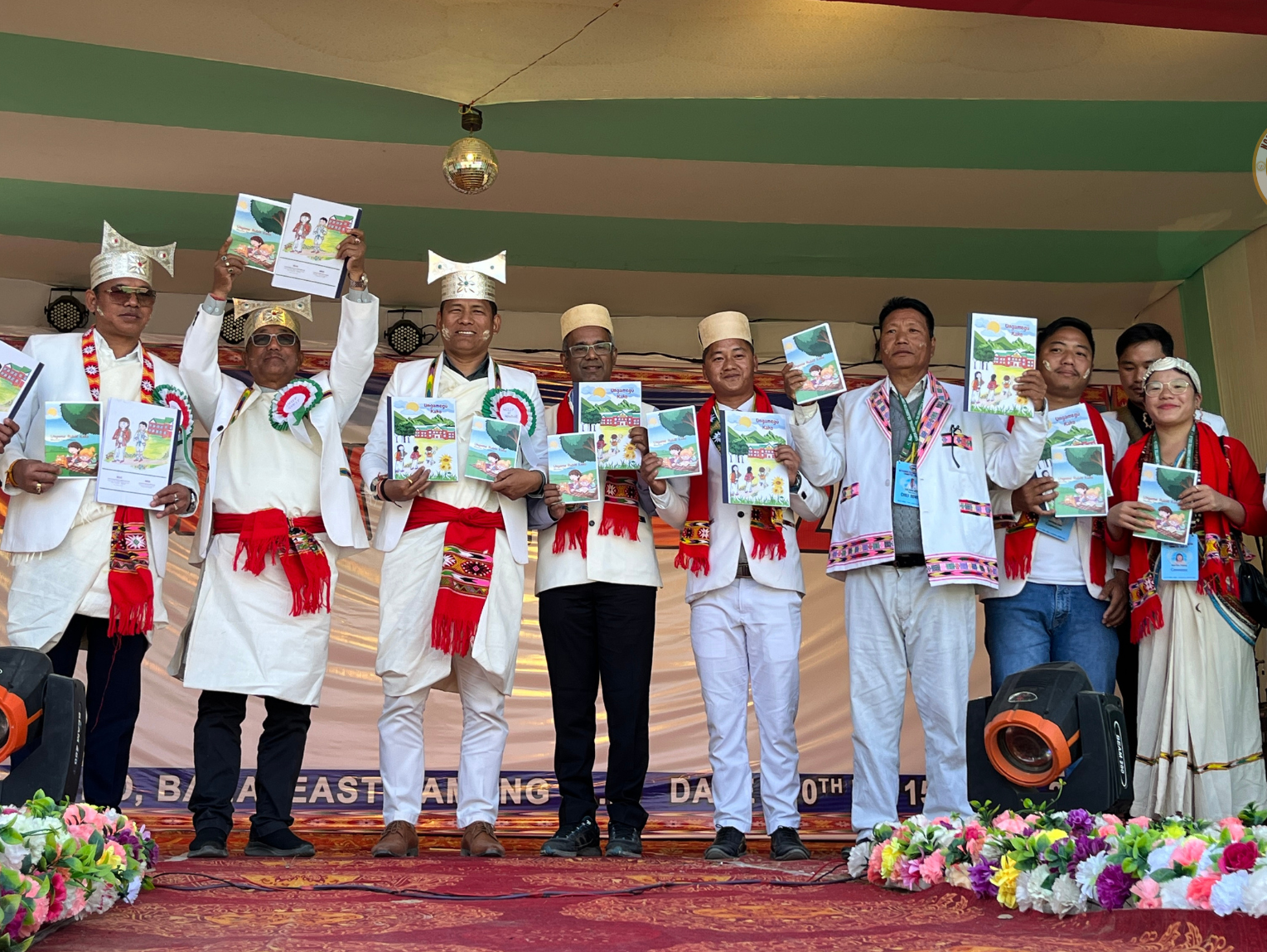
On January 14, 2024, a significant milestone was achieved with the release of the inaugural Aka (Koro) Language Textbook. The textbook was released by Er. Tage Taki, esteemed Minister of Agriculture, Horticulture, Animal Husbandry, Diary Development, and Fishery for the Government of Arunachal Pradesh. Dr Vijay D’Souza, accompanied by community leaders including Jeevan Yame, Sangkoli Chijang, Mama Natung, Babung Chijang, Tadak Degio, and Sita Chijang, proudly unveiled the textbook to the public. The event also showcased the debut of the first-ever children’s songbook in Aka (Koro) Language by Sita Chijang, Language consultant for Aka (Koro) at NEILAC. Rooted in local ecological knowledge and culture, both publications symbolize a significant stride towards establishing a child-friendly educational environment grounded in traditional values.